
Last Updated on September 21, 2026
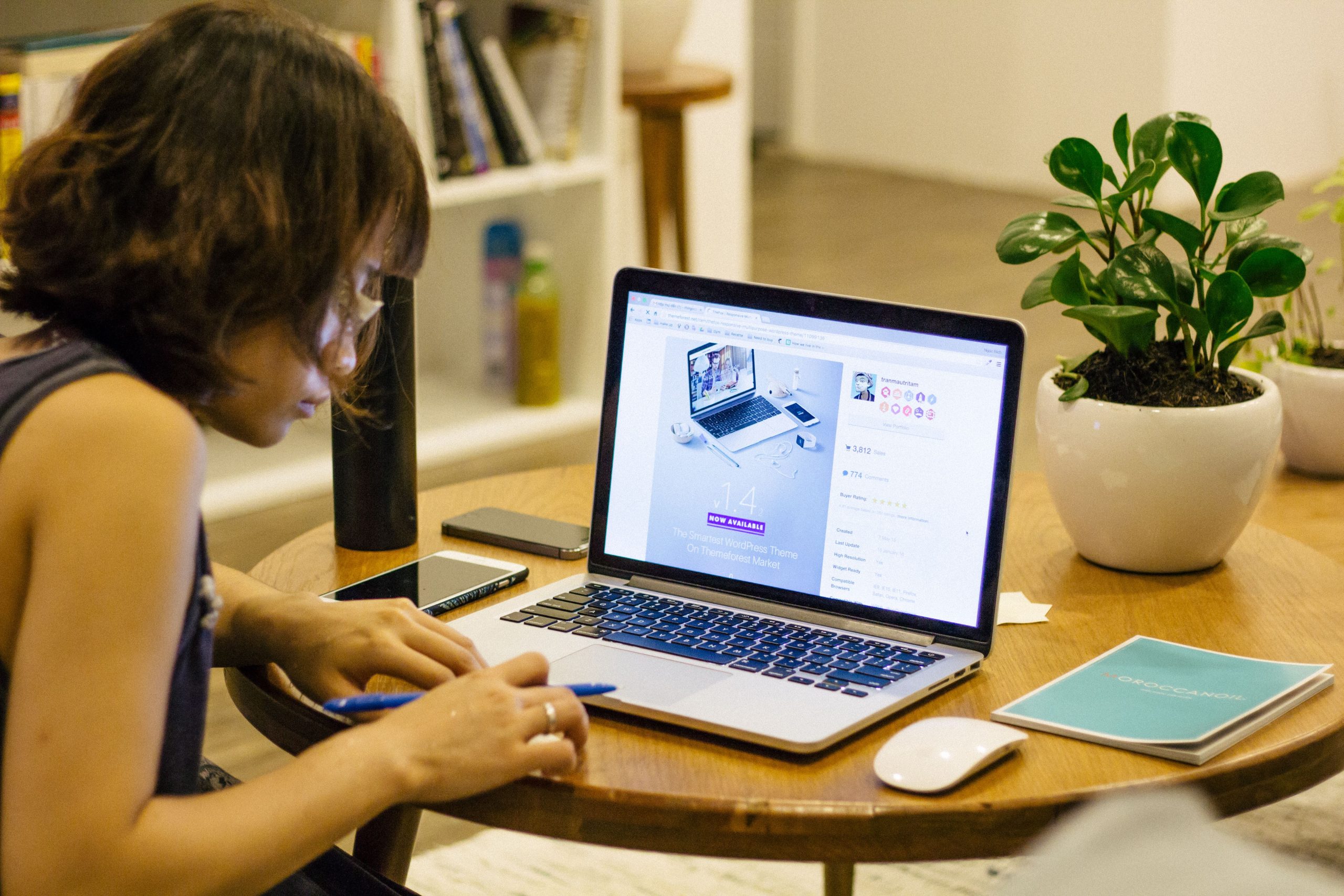
For a while, working from home (WFH) was both a necessity and a design problem waiting to be solved. Once people realized they could work from home permanently, they started to transition from using their dining table as a desk and began carving out a corner in their home with the perfect desk, shelving, and a clean backdrop. Now, entire workspaces are built around what can be seen on screen.
But over time, something has become clear: productivity doesn’t come from how a space looks. It comes from how it feels after hours of actually being in it.
Now that everyone has become comfortable with WFH, it’s not just about the desk. It’s all about the chair. And CHITA has been designing furniture that supports how people actually work, not how their spaces appear on camera.
Table of Contents
The problem with “good enough” seating
When mandatory WFH protocols were first introduced, people didn’t set out to purposefully make uncomfortable spaces. They just made do with what they had, whether that was a dining chair pulled into a corner or a stylish accent chair that looked right but felt off after an hour. Even traditional office chairs, designed more for posture than for comfort, started to wear on people during long stretches of work.
CHITA doesn’t just offer “good enough” seating; it approaches seating as part of the way a room functions throughout the day — from upright focus and video calls to short resets, reading breaks, and end-of-day recovery. From extremely comfortable swivel accent chairs to a much-needed improved take on the office chair, CHITA doesn’t take seating lightly.
Pieces such as CHITA’s Vinca Recliner and Elvin Reclining Swivel Chair with Ottoman show how the brand is rethinking comfort seating beyond the traditional office chair, offering options that support focus, movement, and everyday relaxation.
CHITA and the shift toward comfort-first workspaces
The workday at home isn’t static. People shift positions, take calls, answer emails, think, pause, stand, and reset. The spaces that support that movement are the ones that work best.
Comfort-first design isn’t about sinking into a chair and staying still. It’s about giving the body options — upright support for focus, a reclined position for a reset, and enough structure to keep long sitting periods from feeling punishing.
That’s where CHITA stands out. After years of designing premium furniture for major global brands, the company now brings that same level of craftsmanship directly into homes, focusing on pieces that offer thoughtful design with everyday functionality.
CHITA approaches furniture design based on how people actually live and work. Ergonomic support is built in, materials are chosen for both softness and durability, and the overall design prioritizes comfort that lasts beyond the first hour of sitting. In a WFH setting, that means creating furniture people can rely on throughout the day, whether they need a moment to think, are leaning back on a call, or are continuously staring at their monitors.
Comfort as a productivity tool
For a long time, people separated comfort from productivity. It was often thought that to be productive, they needed to be slightly uncomfortable to get the work done.
But recent research suggests that comfort during the long hours of sitting can increase productivity. When the body is supported, the mind has more room to work.
A well-designed chair reduces the need to constantly adjust and supports posture without forcing it. CHITA’s emphasis on ergonomic structure and everyday usability aligns naturally with this idea. The brand’s seating is designed to move with the user, not against them, and that subtle difference changes how a full workday feels.
The most effective WFH setup isn’t the one that makes people work harder; it’s the one that helps them work longer without feeling depleted.
In a tiny home or smaller living space, that becomes even more important. There may not be room for a dedicated office, so the same chair often needs to support work, relaxation, and everyday living. Choosing comfortable, functional seating helps a limited footprint work harder without sacrificing how the space feels.
How CHITA supports long-term WFH productivity
Productivity isn’t just about more hours, more efficiency, and more output. Productivity is also about sustainability and creating a way of working that doesn’t wear you down over time.
Comfort seating supports that kind of productivity. It reduces strain, allows for longer periods of focus without burnout, and creates space for both work and rest without forcing a hard reset between the two.
CHITA’s philosophy of designing furniture that enhances everyday living through comfort, quality, and function is exactly what WFH people need. CHITA’s pieces aren’t just additions to a room; they become part of how the room works. And now that people are home, they’re designing their homes around that concept.
The real shift in working from home isn’t about finding better tools to work harder. It’s about building environments that make working well feel natural. And CHITA knows that more often than not, that starts with where you sit.