
Last Updated on August 12, 2025
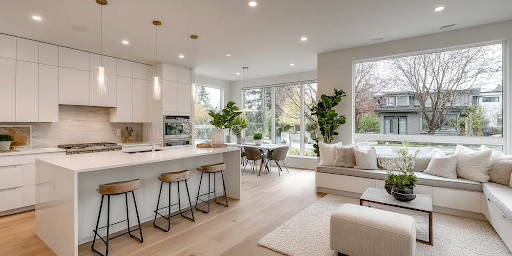
Rainy days, compact footprints, and a love for clean lines shape how Seattle homes are remodeled. The goal is to create rooms that feel brighter and calmer while standing up to moisture and daily use. Tasteful interiors begin with practical choices, then layer texture, color, and a few sculptural details. This guide offers a design-forward plan that fits Tasteful Space readers, with ideas that work especially well in smaller city homes near Pike Place. You will find light strategies, kitchen and bath upgrades, PNW-friendly materials, and clever storage that keeps visual noise low.
Start with light and layout
Light is the most important design material in Seattle. Begin with a mapping where daylight enters during morning and afternoon. Keep circulation lines open from the front door to the brightest window. Swap solid partitions for glass pocket doors or reeded glass panels that borrow light while maintaining privacy. If you are opening a kitchen to a living area, align the sink or island seating toward the windows so cleanup and conversation do not block the view. Even small shifts, like moving a tall pantry to the darkest corner, can brighten the entire room.
Ceiling trick: A warmer white on the ceiling than on the walls reflects soft light without glare. Add slim, dimmable recessed lights and keep pendants simple, two or three over an island or dining table, so the room looks clean in person and in photos.
A PNW-ready material palette
Durability and easy maintenance matter when rain and humidity are part of daily life.
- Flooring: Wide-plank engineered oak resists seasonal movement and feels warm underfoot. For entries and kitchens, large-format porcelain tile with minimal grout looks like stone and cleans quickly.
- Cabinetry: Marine-grade plywood boxes with matte lacquer or laminate fronts hold up to steam and spills. Add rift-cut white oak accents to soften the palette.
- Counters and splash: Quartz or sintered slabs keep seams crisp and resist staining. A slab backsplash behind the range simplifies cleanup and creates an elevated focal plane.
- Paint: Choose zero-VOC formulas with mildew resistance for baths and kitchens. Eggshell or satin reads softly on camera and wipes clean.
- Metals and hardware: PVD finishes in soft black, graphite, or brushed nickel resist coastal tarnish and add modern contrast.
Kitchen moves that maximize function in tight footprints
Seattle kitchens often live inside modest floor plans, so every inch counts.
- Pick the right layout: Galleys shine in narrow rooms, with continuous counter space and few dead zones. L-shapes open to the living area and welcome a small work table or movable island. If the room allows, a compact island with 36 to 42 inches of clearance boosts both prep space and connection to guests.
- Storage that disappears: Use full-height pantry towers with internal drawers, 9 to 12 inch pull-outs for oils and spices beside the range, and deep drawers for pots with peg organizers. Toe-kick drawers hide baking sheets, while an appliance garage with pocket doors keeps counters open for chopping and plating.
- Ventilation first: Choose a quiet, correctly sized hood ducted to the exterior. Smooth, short duct runs and sealed joints improve performance and reduce moisture in the room.
- Lighting layers: Under-cabinet LED strips eliminate shadows on the counter. Pair with a warm 2700 to 3000K temperature so winter light feels cozy rather than gray.
Midway through planning, many homeowners review local design-build options for estimates and scheduling. When you are ready to compare scope and finishes, visit sapir-construction.com to see how selections align with budget and timeline.
Bath upgrades that feel like a spa, without the upkeep
Start behind the tile. Continuous waterproofing, properly sloped shower pans, and a high-quality exhaust fan on a timer protect your investment. Then layer the visible comforts.
- Tile: Porcelain with low water absorption keeps maintenance simple and resists staining.
- Vanities: Floating vanities make small rooms look larger and improve floor cleaning.
- Glass: Frameless shower doors maintain visual width, and low iron glass keeps colors true.
- Heat and light: Radiant floor heat takes the chill out of mornings, while dimmable LED mirrors provide flattering, shadow-free light.
Color, texture, and styling
Tasteful interiors feel calm, not empty. Build a restrained base, then add soft texture.
- Base: Soft white walls, warm oak accents, and graphite hardware set a timeless foundation.
- Accent: One confident hue, like deep green or slate blue, on a built-in or island adds personality.
- Textiles: Linen, wool, and bouclé bring depth without busy patterns.
- Shelving: Keep open shelves curated. Group items in sets of three, vary heights, and leave negative space so the eye can rest.
Moisture-smart details that do not steal the spotlight
Discreet performance choices improve daily life.
- Air sealing and ventilation: Seal around windows and doors, then balance attic intake and ridge exhaust to reduce condensation. Bathroom and kitchen fans must terminate outdoors, not in the attic.
- Entry strategy: A porcelain tile entry with a recessed walk-off mat protects floors. Add a simple bench with hidden storage so wet coats and boots do not wander.
- Window choices: Double or triple-pane units with low-E coatings control heat loss and manage condensation during cold snaps. Proper flashing and sill pans matter more than any trim style.
A simple project sequence that protects the schedule
Clarity keeps stress low. A clean remodel sequence looks like this, design and selections, measured drawings, engineering if needed, permits, order long-lead items, dust-controlled demo, rough-ins, drywall and prime, cabinets and trim, counters and tile, paint, finish electrical and plumbing, final clean, styling, walkthrough. Ask for weekly updates, clear site protection, and a written warranty so expectations stay aligned from start to finish.
Budget framing with smart priorities
Put dollars where they last longest. In kitchens, invest in cabinets, counters, and lighting. In baths, prioritize waterproofing, tile, and ventilation. Keep a 10 to 15 percent contingency for surprise conditions common in older Seattle houses. A disciplined plan will keep the look elevated while costs stay predictable.
Bringing it together
Seattle style is warm modern, relaxed, and quietly practical. Lead with light, choose materials that like humidity, design storage into the architecture, and keep the visual language simple. The result is a home that feels larger and brighter on rainy afternoons and photographs beautifully on sunnier days.
Sapir Construction
1916 Pike Pl, Seattle, WA 98101
206-848-5414
sapir-construction.com


