
Last Updated on July 26, 2025
Smart homes have reached a tipping point. With 45% of internet-connected U.S. households owning at least one smart home device, homeowners face more choices than ever. Yet amid this flood of options, one question keeps surfacing: does Control4 still set the standard for complete home automation?
The answer matters more than you might think. The global smart home automation market reached $132.65 billion in 2025 and is projected to hit $1.149 trillion by 2034, with established players like Control4 competing against tech giants and nimble startups. For homeowners weighing their options, understanding where Control4 stands today could mean the difference between a system that grows with their needs and one that becomes tomorrow’s expensive mistake.
Table of Contents
Integration Depth: Where Control4 Excels
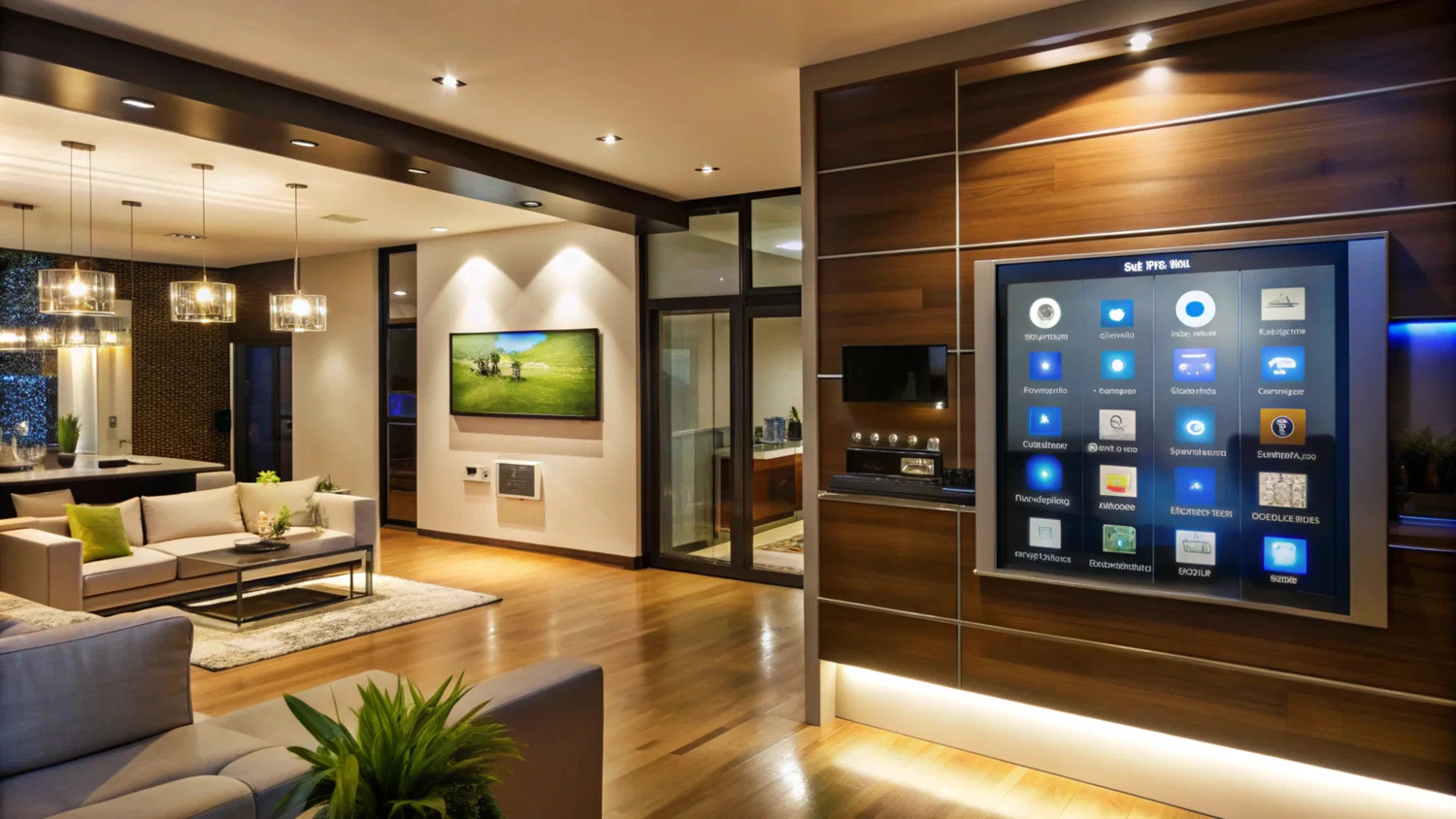
Control4’s strength lies in what the industry calls “whole-house” automation. While smart speakers and individual devices handle single tasks, Control4 orchestrates everything through one platform. Control4 connects thousands of smart devices, bringing them into one platform that delivers incredible experiences, creating what feels less like technology and more like magic.
This integration goes beyond simple device control. Control4 excels at creating custom scenes that respond to your lifestyle. Press “Movie Night” and watch as lights dim to specific levels, the projector screen drops, audio zones adjust, and the security system arms the perimeter. Try to replicate this seamless coordination with individual smart devices, and you’ll quickly understand why professional systems command premium prices.
The platform works with over 14,000 third-party products, from luxury brands like Lutron and Sonos to mainstream options like Nest and Ring. This compatibility matters because it protects your investment. When you want to upgrade your security cameras or add new lighting zones, Control4 likely supports your choice without requiring system overhauls.
Voice Integration and Remote Access in 2025
Modern home automation lives or dies by how naturally people can interact with it. Control4 has kept pace with consumer expectations here, supporting major voice assistants while maintaining its signature app-based control. Control4 is launching its next-generation OS that addresses concerns about their system being harder to learn, offering a totally revamped Home Screen hub with greater personalization options.
Remote access remains one of Control4’s standout features. Whether you’re across the country or just upstairs in bed, the system responds instantly. This reliability stems from its robust network architecture, something many DIY solutions struggle to match. Professional installation ensures your home network can handle the constant communication between devices without the lag or connectivity drops that plague cobbled-together systems.
The 4Sight service adds another layer of capability, enabling advanced automation rules that learn from your patterns. Unlike basic smart home setups that require manual programming for every scenario, Control4 systems can adapt and suggest improvements based on how you actually live.
The Competition Landscape
Control4 doesn’t operate in a vacuum. Control4, Savant, and Crestron are the big boys in the space, with each offering distinct advantages. Savant appeals to users who prioritize sleek interfaces and Apple ecosystem integration. Savant has announced native integration of Siri voice control starting in 2025, potentially giving it an edge with iPhone users.
Crestron targets the ultra-luxury market with completely custom programming and interfaces. While powerful, this flexibility comes with complexity that requires specialized programming knowledge. Control4 programmers are pretty common, Crestron not so much. In my market they get paid with bags of gold.
Below these premium tiers, mainstream options like SmartThings, Apple HomeKit, and Alexa ecosystems offer basic automation at lower costs. However, these platforms typically require significant technical knowledge to achieve anything approaching Control4’s out-of-the-box sophistication.
Professional Installation: Advantage or Limitation?
Control4’s dealer-only model sparks debate among homeowners. Unlike products you can buy at Best Buy and install yourself, Control4 requires certified professionals. This approach ensures proper setup but adds costs and limits your purchasing options.
The upside is reliability. Control4 is a great product, and some of the best integrations you can do involve their lighting. I would recommend strongly that if you adopt C4 you at least try their lighting, it’s pretty bullet proof with tons of integration potential. Professional installation also means ongoing support from dealers who understand your specific setup.
For Texas homeowners, finding a qualified Control4 dealer Texas isn’t difficult. Major cities like Houston, Austin, and Dallas have multiple certified dealers, each offering different specialties and service levels. The key is finding a dealer who matches your communication style and technical needs, as this relationship extends well beyond initial installation.
The dealer model does create some frustration. Unlike DIY systems where you can troubleshoot and expand independently, Control4 changes typically require professional involvement. This dependence can feel limiting for tech-savvy homeowners accustomed to managing their own technology.
Cost Considerations in 2025
Control4 systems carry premium pricing that reflects their professional installation and extensive capabilities. Entry-level systems start around $3,000-5,000 for basic lighting and entertainment control in a few rooms. Comprehensive whole-house installations easily reach $20,000-50,000 or more, depending on home size and feature complexity.
This investment makes sense when you consider the alternative costs of achieving similar functionality. Purchasing high-quality individual smart devices, professional networking equipment, and integration software often approaches Control4 pricing without matching its seamless operation.
The value equation also includes long-term considerations. Control4 systems typically operate reliably for 10-15 years with periodic updates. Compare this to consumer smart devices that often become obsolete within 3-5 years, and the total cost picture becomes more favorable.
Interoperability: The Make-or-Break Factor
Modern smart homes rely on devices from multiple manufacturers working together seamlessly. Control4’s extensive driver library gives it a significant advantage here. Unlike platforms that support only their manufacturer’s devices or require complex workarounds for third-party integration, Control4 treats interoperability as a core feature.
This matters practically when you want to add devices over time. Whether it’s a new security system, updated audio equipment, or the latest smart appliances, Control4 likely supports integration without starting over. The platform’s maturity means most compatibility issues have been resolved through years of real-world installations.
The system also handles protocol differences transparently. Whether your devices use WiFi, Zigbee, Z-Wave, or proprietary connections, Control4 manages the communication so you don’t need to become an expert in smart home networking standards.
The Verdict: Benchmark Status in 2025
Control4 remains the benchmark for homeowners seeking comprehensive, professionally-installed automation. Its combination of reliability, extensive integration, and professional support continues to set the standard that competitors measure themselves against.
However, “benchmark” doesn’t mean “only choice.” Tech-savvy users comfortable with DIY installation might find better value in piecing together solutions from multiple vendors. Apple ecosystem devotees might prefer Savant’s native Siri integration. Ultra-luxury installations might justify Crestron’s custom approach.
For most homeowners wanting reliable whole-house automation without becoming smart home experts themselves, Control4 delivers unmatched value. The platform’s maturity shows in countless details: rock-solid network performance, intuitive interfaces, and the kind of reliability that makes you forget you’re using advanced technology.
The smart home market will continue evolving rapidly, with new players and technologies emerging regularly. Yet Control4’s focus on professional installation, comprehensive integration, and long-term reliability positions it well for whatever changes lie ahead. In an industry often obsessed with the latest features, sometimes the benchmark is simply the system that works consistently, day after day, year after year.
When you’re ready to move beyond individual smart devices toward true home automation, professional Control4 smart home automation solutions offer the reliability and comprehensive control that still define the category standard. The question isn’t whether Control4 remains relevant in 2025 – it’s whether you’re ready for the kind of seamless automation it makes possible.


