
Last Updated on July 26, 2025
Texas loses over 200,000 acres of habitat each year to development. Smart landowners are changing this. They clear land while keeping ecosystems healthy.
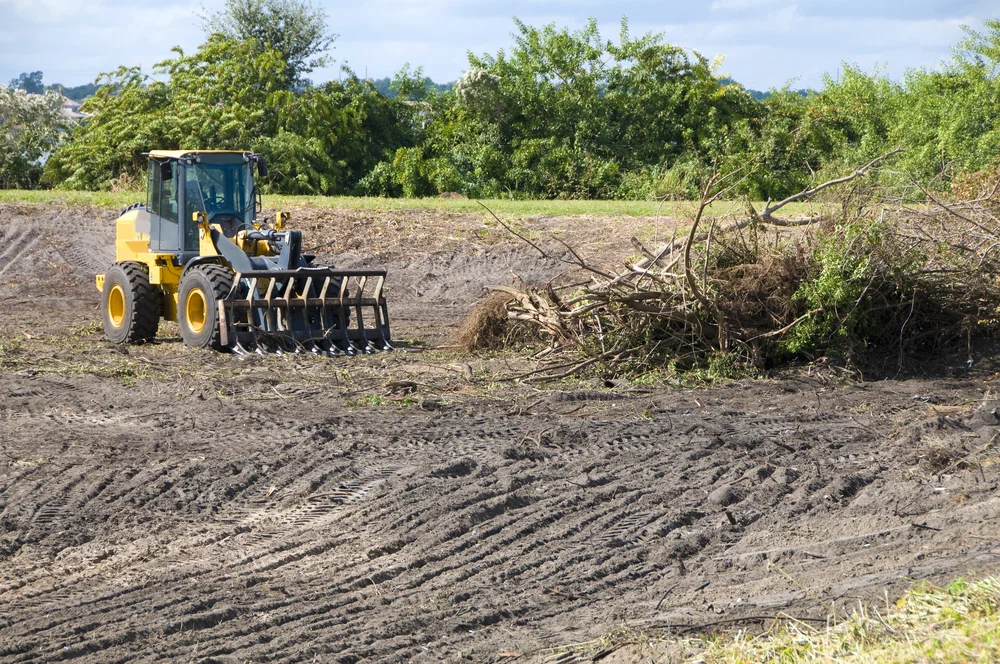
Traditional clearing methods strip land bare. They pile debris and burn it. This destroys soil and wildlife homes. Modern eco-friendly excavation takes a different path.
Table of Contents
Why Texas Habitats Need Smart Protection
Texas hosts over 540 bird species and 142 native mammals. The state ranks second in the nation for animal diversity. Yet rapid growth threatens these ecosystems daily.
The Texas Parks and Wildlife Department plans to protect an additional 56,000 acres of private working lands by 2033. This shows the state’s commitment to habitat preservation. Land clearing practices play a key role in this effort.
Poor clearing damages watersheds and kills native plants. It creates erosion that fills streams with sediment. Wildlife lose food sources and shelter. The effects last for decades.
Smart clearing methods help landowners meet development goals without destroying habitats. These techniques cost less long-term and boost property values.
Selective Clearing Saves What Matters Most
Selective clearing removes only target vegetation. It keeps mature trees and native plants intact. This method protects wildlife corridors and nesting areas.
Unlike clear-cutting that strips everything, selective clearing works surgically. Operators identify valuable trees first. They mark habitat areas to avoid. Then they remove only invasive species and unwanted brush.
Selective clearing allows developers to carefully target only the vegetation necessary for the project while leaving valuable flora and fauna intact. This precision protects biodiversity while meeting project needs.
The process requires skilled operators with GPS equipment. They follow property boundaries exactly. Advanced machines can navigate steep terrain without soil damage. This keeps root systems stable and prevents erosion.
Modern selective clearing equipment includes high-power forestry mulchers over 350 horsepower. These machines can clear 2-5 acres daily while preserving chosen vegetation. The result looks like a well-managed park rather than a construction zone.
Brush Mulching Creates Natural Benefits
Brush mulching grinds vegetation into nutrient-rich mulch on-site. No hauling or burning required. The mulch stays where trees once stood.
This method offers multiple habitat benefits. The mulch layer enriches soil with organic matter. It holds moisture during dry periods. Small animals use it for shelter and nesting.
Mulching creates a healing blanket that retains moisture and reduces erosion, promotes a healthy property watershed, provides a protective cover for new growth, and returns nutrients to the soil. These benefits compound over time.
Erosion control becomes automatic. The mulch layer slows water runoff on slopes. It prevents topsoil loss during heavy rains. This protects nearby streams from sedimentation.
Equipment advances make brush mulching more effective than ever. Modern mulchers spin faster and create finer material. The finished product decomposes quickly and feeds soil organisms.
Native grass seeds germinate easily through mulch layers. Many properties see natural grass return within one growing season. This happens without replanting or irrigation.
Professional Land Clearing Makes the Difference
Equipment choice determines project success. Small attachments work for minor jobs. Large-scale habitat protection needs specialized machines from experienced contractors like professional land clearing services.
Proper technique prevents common mistakes. Over-mulching can suffocate soil organisms. Poor timing disturbs nesting seasons. Inexperienced operators damage valuable trees accidentally.
Professional crews understand Texas ecosystems. They know which species provide habitat value. They time work to avoid wildlife breeding periods. This knowledge protects sensitive areas.
Safety protocols matter for both workers and wildlife. Professional companies carry proper insurance and follow environmental regulations. They provide job safety analysis before starting work.
The best land clearing Central Texas companies use GPS tracking and modern equipment. This ensures precise work within property boundaries. It prevents damage to neighboring habitats.
Making Smart Choices for Texas Land
Smart land clearing protects habitats while meeting development needs. The techniques cost less than traditional methods long-term. They boost property values and reduce future maintenance.
Property owners should evaluate contractors carefully. Look for companies with GPS equipment and high-power mulchers. Ask about habitat protection experience and environmental training.
Consider project timing. Avoid nesting seasons from March through August. Plan work during dry periods when soil damage stays minimal. Phase large projects to allow wildlife adaptation.
The future of Texas depends on smart land use decisions made today. Eco-friendly excavation techniques help landowners develop property responsibly. These methods protect the habitats that make Texas special while supporting economic growth.
Choose contractors who understand both development goals and habitat protection. The right approach clears land effectively while preserving the natural systems that benefit everyone.