
Last Updated on June 26, 2026
How to Find the Right Apartment in Japan
There is a particular kind of excitement that comes with deciding to live in Tokyo. Whether you’re relocating for work, following a long-held dream, or simply craving something entirely different from your current city, Tokyo has a way of making even the most seasoned traveler feel like they’ve arrived somewhere genuinely new. The food, the rhythm, the precision of daily life, the surprising quiet of residential streets tucked behind neon-lit avenues — it all adds up to an experience that is difficult to replicate anywhere else on earth. Before you can fully settle into that life, though, you need a home. And browsing Tokyo apartments for rent for the first time can feel both thrilling and slightly overwhelming.
This guide is designed to take some of that complexity away. Whether you’re moving to Tokyo for the first time or returning after years abroad, here’s what to know about finding, renting, and loving an apartment in one of the world’s great cities.
Tokyo is Built From Many Neighborhoods
The first thing to understand is that “Tokyo” covers an enormous amount of territory and an equally enormous range of living experiences. Shinjuku and Shibuya are the buzzing commercial hubs that most visitors picture when they think of the city: dense, energetic, and extraordinarily convenient, with every train line passing through. Shimokitazawa, a few stops southwest of Shibuya, offers a unique atmosphere — vintage clothing stores, live music venues, independent cafes, and a young creative community that gives the area a distinctly village-like feel despite being well within the city limits.
Nakameguro, threading along the Meguro River, has become one of Tokyo’s most coveted addresses thanks to its canopy of cherry trees, independent restaurants, and fashion boutiques. Yoyogi and Harajuku attract those who want proximity to Meiji Shrine and Yoyogi Park. Yanaka, one of the few Tokyo neighborhoods to survive both the 1923 earthquake and World War II intact, preserves a shitamachi (old downtown) charm that feels genuinely historic. And in areas like Setagaya and Meguro, sprawling residential wards beloved by families, you find wide streets, local shotengai (shopping streets), and a sense of comfortable, unhurried daily life.
Understanding where you want to be before you start your search will save a great deal of time. Are you prioritizing commute time above all else? Nightlife access? Proximity to parks? The quiet that lets you decompress after long working days? Tokyo’s neighborhoods are distinct enough that the right fit makes a meaningful difference to daily quality of life.
How Tokyo Apartments Are Sized and Described
Japanese real estate uses its own notation for apartment sizes, and familiarizing yourself with it early prevents confusion. Listings typically describe units using a combination of numbers and letters: 1K, 1DK, 1LDK, 2LDK, and so on. The number refers to the count of separate bedrooms. The letters refer to what else is in the unit: K stands for kitchen, DK for dining and kitchen combined, and LDK for living, dining, and kitchen combined as a shared space.
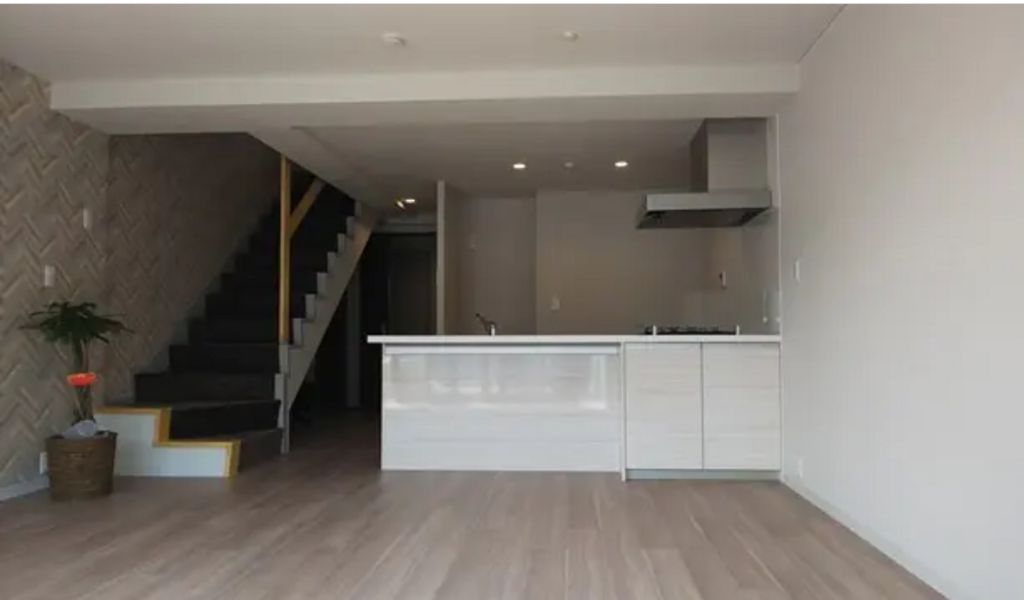
A 1K apartment is the standard studio-style setup — one room plus a separate small kitchen area, typical for single professionals. A 1LDK gives you a bedroom plus a proper living and dining area, offering considerably more breathing room. While a 2LDK is the go-to for couples or small families wanting a dedicated second bedroom or home office. Exceptional Japanese construction quality, characterized by natural light, thoughtful storage, and precise finishes, maximizes every square metre, despite Tokyo apartments often appearing compact by Western standards.
What Renting in Tokyo Costs
Tokyo’s rental market is genuinely more accessible than its reputation suggests, particularly when compared to London, New York, Sydney, or Hong Kong. A comfortable 1LDK in a well-located neighborhood like Ebisu, Daikanyama, or central Minato can be found in the range of ¥150,000–¥220,000 per month. Smaller 1K units in slightly less central areas often come in under ¥100,000. For those wanting more space — a 2LDK or 3LDK in a quieter ward — prices vary widely but remain competitive relative to comparable global cities.
Initial costs are where new renters are sometimes caught off guard. Traditional Japanese rental contracts have historically included a deposit (shikikin), a non-refundable key money payment (reikin) to the landlord, agency fees, and the first month’s rent upfront. This can add up to several months’ rent before you’ve even moved in. The good news is that the market has been shifting: many modern buildings and agencies have moved away from key money and other legacy costs, particularly in listings targeted at international tenants. Reading the full cost breakdown before proceeding with any application is essential.
What International Renters Need to Know
Renting an apartment in Japan as a foreigner was, until relatively recently, considerably more difficult than it is today. Many landlords historically required a Japanese guarantor — a native speaker willing to co-sign the lease and take on responsibility in the event of default. That system has gradually given way to institutional guarantee companies (hoshō kaisha), which serve as third-party guarantors for a fee, making the process far more accessible to international tenants.
You will typically need a valid residence card (zairyu card) or appropriate visa documentation, a Japanese bank account or the ability to set one up promptly, and sometimes proof of employment or income. Working with an agency or platform that specializes in international clients removes much of the friction: they can provide bilingual support, explain lease terms clearly, and handle negotiations with landlords who may otherwise be hesitant about foreign tenants.
Furnished vs. Unfurnished: Choosing the Right Setup
Tokyo offers both furnished and unfurnished rental options, and the right choice depends on your circumstances. For shorter-term stays or those arriving without the ability to ship belongings, furnished apartments — sometimes called “weekly mansions” or serviced apartments when amenities are included — provide a genuinely turnkey solution. You arrive with a bed, appliances, and often kitchen equipment already in place.
For longer-term residents, unfurnished units offer more flexibility to make the space your own, and the Japanese second-hand furniture market (sayonara sales, flea markets, and online platforms like Mercari) makes it easy and affordable to furnish an apartment from scratch. Many new arrivals discover that setting up a Tokyo apartment from nothing, piece by carefully chosen piece, becomes one of the more enjoyable parts of the transition.
Where to Begin Your Search
Starting your search with a platform that understands what international renters actually need makes the process substantially smoother. Rather than navigating Japanese-language portals designed for domestic tenants, using a specialist service gives you curated listings, accurate English descriptions, and the support needed to move from browsing to signing a contract without unnecessary confusion. When you’re ready to explore Tokyo apartments for rent, the right platform puts the full range of the city’s options in front of you — from compact studio apartments in buzzing central neighborhoods to spacious family-sized units in the city’s quieter residential wards — with the guidance needed to make a confident, informed choice.
Tokyo rewards those who approach it thoughtfully. Find the right neighborhood, understand the market, and let the right apartment become the anchor for what will almost certainly be an extraordinary chapter of your life.